

Keep Your Pets Safe with Spring Pet Safety Tips for Dogs and Cats
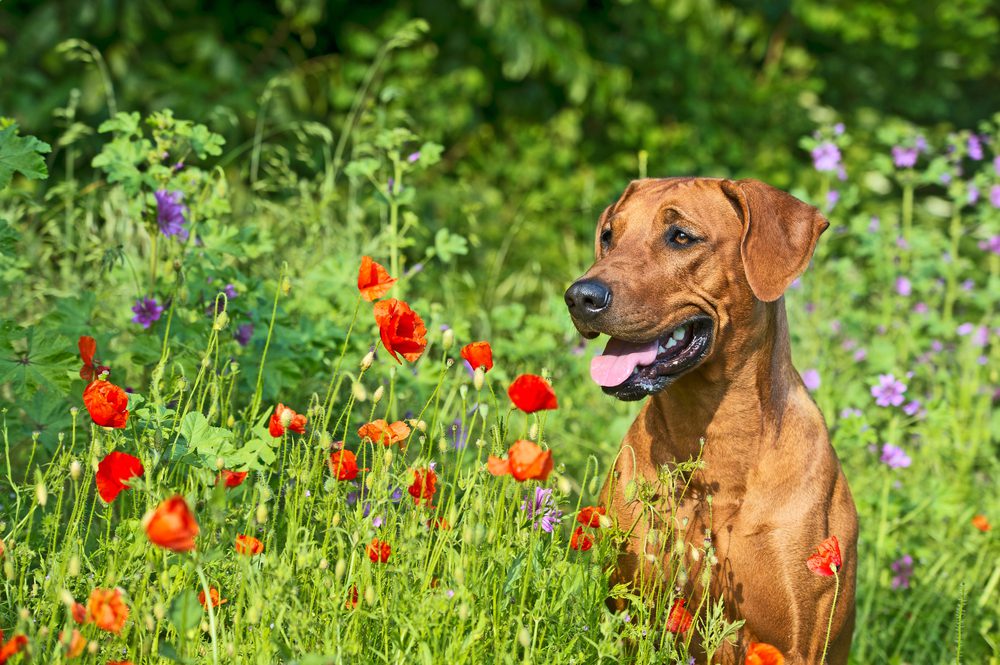
Spring is a wonderful time to get outside with your pets, but it also brings seasonal hazards that can affect their health. From parasites and allergies to toxic plants and outdoor dangers, pet owners should take a few extra precautions during the warmer months. Following simple spring pet safety tips for dogs and cats can help keep your pets healthy and happy all season long. If you have questions about protecting your pet this spring or want to schedule a wellness exam, call Shallowford Animal Hospital at (336) 945-4412 to speak with our team.
Why Spring Can Be Risky for Pets
As temperatures rise and pets begin spending more time outdoors, they may encounter new environmental hazards. Spring brings blooming plants, increased parasite activity, and more opportunities for pets to explore areas that may contain hidden dangers. While outdoor activity is great for your pet’s physical and mental health, it’s important for pet owners to stay aware of the seasonal risks.
Changes in weather and environment can also affect pets differently from people. Allergens, insects, and chemicals that appear during spring may cause health issues if pets are not properly protected.
Common seasonal risks include:
- Warmer weather increases outdoor activity for pets
- Parasites such as fleas, ticks, and mosquitoes become more active
- Spring plants, lawn chemicals, and fertilizers may pose health risks
- Seasonal allergies can affect both dogs and cats
Understanding these potential hazards is the first step toward preventing illness and keeping your pet safe during the spring months.
Flea and Tick Prevention for Spring
Spring marks the beginning of peak flea and tick season. As temperatures warm, these parasites become more active in yards, wooded areas, and parks. Pets that spend time outdoors are especially vulnerable, but even indoor pets can be exposed if fleas or ticks are carried into the home.
Fleas and ticks are more than just a nuisance. They can transmit serious diseases and cause significant discomfort for pets. Ticks can spread illnesses such as Lyme disease, while fleas may cause allergic reactions and skin infections. Preventive care is the most effective way to protect your pet.
Important flea and tick prevention tips include:
- Why does flea and tick activity increase in spring
- Health risks associated with fleas and ticks
- Importance of year-round parasite prevention
- Veterinary-recommended preventatives
Your veterinarian can recommend safe, effective flea and tick prevention products based on your pet’s lifestyle and risk factors.
Heartworm Prevention for Dogs in North Carolina
Heartworm disease is a serious and potentially life-threatening condition that affects dogs and, less commonly, cats. It is transmitted through the bite of infected mosquitoes, which become more active during warm spring and summer months.
Because North Carolina has a climate that supports mosquito activity for much of the year, pets in our area face an increased risk of heartworm exposure. Once infected, heartworms grow and live in the heart, lungs, and blood vessels, causing severe damage over time.
Key heartworm prevention considerations include:
- How mosquitoes spread heartworms
- Why North Carolina pets are at higher risk
- Importance of regular heartworm prevention and testing
- Preventive medications and veterinary guidance
Monthly heartworm prevention and annual testing are essential steps in protecting your dog from this dangerous disease.
Toxic Spring Plants for Dogs and Cats
Spring gardens and landscaping can make outdoor spaces beautiful, but some common plants can be toxic to pets. Curious dogs and cats may chew on leaves, flowers, or bulbs, which can lead to poisoning if the plant is harmful.
Certain plants commonly found in spring gardens can cause symptoms ranging from mild stomach upset to severe toxicity. Pet owners should be aware of which plants are safe and which ones should be avoided around pets.
Common plant safety considerations include:
- Common toxic plants pets may encounter in spring
- Symptoms of plant toxicity
- Tips for pet-safe gardening and landscaping
If your pet ingests a potentially toxic plant, contact your veterinarian right away for guidance.
Protecting Pets from Spring Allergies
Just like people, pets can experience seasonal allergies. Pollen from trees, grasses, and flowers can trigger allergic reactions in both dogs and cats. While humans often show allergy symptoms through sneezing or congestion, pets usually develop skin-related symptoms.
Dogs and cats with allergies may experience itching, redness, ear infections, or excessive licking of the paws. These symptoms can cause significant discomfort if left untreated.
Signs and causes of spring allergies include:
- Signs of allergies in dogs and cats
- Environmental triggers such as pollen and grasses
- Treatment options available from your veterinarian
Veterinary care can help identify allergy triggers and provide treatment options to keep your pet comfortable throughout allergy season.
Common Outdoor Hazards for Pets in Spring
With more outdoor activity in spring, pets may encounter hazards that are less common during colder months. Chemicals used in lawn care, standing water, and encounters with wildlife or insects can all pose risks.
Pet owners should also be cautious when using fertilizers, pesticides, or herbicides in their yards. Many of these products can be harmful if pets ingest them or walk through treated areas.
Outdoor hazards to watch for include:
- Fertilizers, pesticides, and herbicides
- Standing water and parasites
- Wildlife encounters and insect stings
- Keeping pets safe during outdoor adventures
Supervising outdoor time and using pet-safe products can help reduce these risks.
Why Choose Shallowford Animal Hospital
Choosing the right veterinary care is an important part of protecting your pet’s health throughout every season. At Shallowford Animal Hospital, we focus on preventive care and personalized treatment plans that support the long-term wellness of your pets.
Our experienced team is dedicated to building lasting relationships with pet owners while providing high-quality veterinary care. We take the time to understand each pet’s needs and help families make informed decisions about their pet’s health.
Reasons pet owners trust our hospital include:
- Experienced and compassionate veterinary team
- Focus on preventive care and long-term pet wellness
- Comprehensive services for dogs and cats
- Personalized care for every pet and family
- Trusted veterinary care for the local community
We are proud to serve pets and their families with compassionate care and reliable veterinary services.
Keeping Your Pets Safe This Season with Smart Spring Pet Safety Tips for Dogs and Cats
Spring should be a fun and active season for you and your pets. By understanding common seasonal hazards and following smart spring pet safety tips for dogs and cats, you can help protect them from preventable illnesses and injuries. Preventive care, parasite protection, and regular wellness exams all play an important role in keeping pets healthy throughout the year. If you would like guidance on spring safety or need to schedule an appointment, call Shallowford Animal Hospital at (336) 945-4412. Our team is here to help your pets enjoy a safe and healthy spring.
Want more pet care tips? Then, follow us on Facebook and Instagram.
Share This Post
Recent Posts


About Shallowford Animal Hospital
Shallowford Animal Hospital and The Pet Spa at Shallowford are dedicated to the exceptional, compassionate care your pet deserves. Pets hold a very special place in our families, and we treat yours like our own.