

What Changes as Pets Age? Your Guide to Senior Pet Care
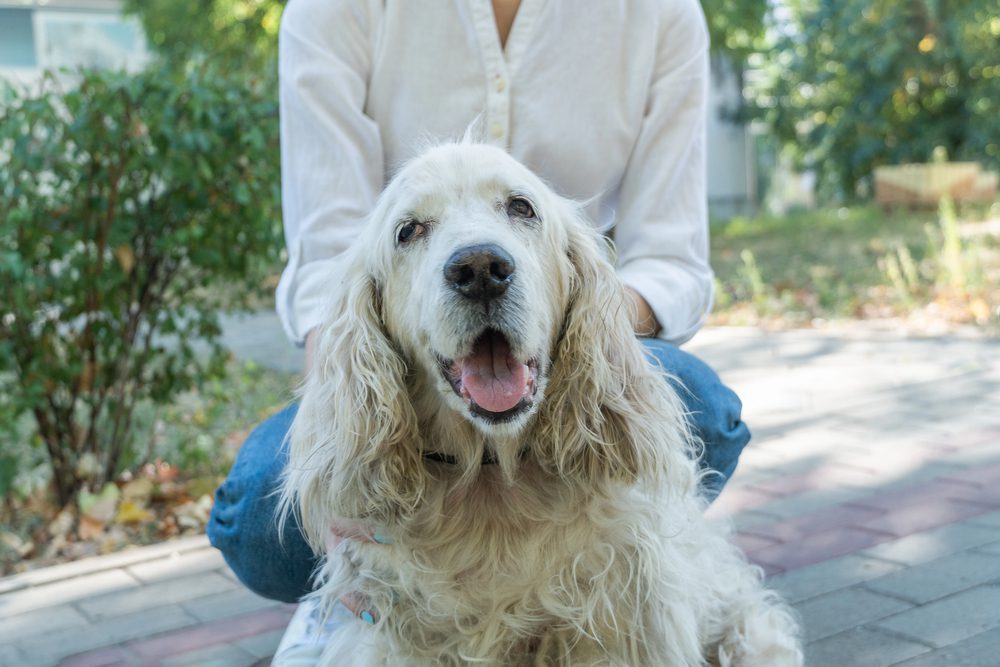 As our pets grow older, their needs can change in ways that are sometimes easy to miss. At Shallowford Animal Hospital, we believe proactive senior pet care plays an important role in helping dogs and cats stay comfortable, active, and healthy throughout their later years. From changes in mobility and appetite to new health concerns, knowing what to watch for can help you make informed decisions about your pet’s care. If your pet is entering their senior years or you have noticed changes in their health or behavior, call us at (336) 945-4412 to schedule an appointment.
When Is a Pet Considered a Senior?
There is no single age when every dog or cat becomes a senior. A pet’s size, breed, species, genetics, lifestyle, and overall health can all influence how quickly they age. Larger dogs often reach their senior years earlier than smaller dogs, while cats may show age-related changes more gradually.
Because every pet ages differently, we recommend focusing not only on your pet’s age but also on changes in their everyday habits and health. Both senior dog care and senior cat care benefit from regular veterinary visits that allow us to establish what is normal for your pet and monitor changes over time.
Common Signs of Aging in Pets
Some age-related changes happen gradually, making them easy to overlook. Knowing the common signs of aging in pets can help you recognize when your companion may need additional support or veterinary attention.
You may notice that your pet:
- Sleeps more or has less energy
- Takes longer to stand up or lie down
- Hesitates to climb stairs or jump onto furniture
- Gains or loses weight
- Experiences changes in vision or hearing
- Drinks more water or urinates more frequently
- Has changes in appetite
- Becomes confused, anxious, or less interested in familiar activities
- Develops different bathroom habits
While some changes can be associated with normal aging, we never recommend assuming that a new symptom is simply because your pet is getting older. Changes in behavior, mobility, appetite, thirst, or bathroom habits can sometimes indicate an underlying medical problem.
Health Problems in Senior Pets to Watch For
As dogs and cats age, their risk for certain medical conditions may increase. Regular veterinary care gives us an opportunity to look for these concerns and determine whether additional testing or treatment may be appropriate.
Some health problems in senior pets can include arthritis and mobility issues, dental disease, kidney disease, heart disease, diabetes, vision or hearing loss, cognitive changes, and certain types of cancer.
Many illnesses can begin with subtle symptoms. A pet who suddenly seems less interested in playing, for example, may be experiencing joint discomfort rather than simply “slowing down.” A cat who starts drinking more water may have an underlying medical condition that deserves attention.
Recognizing these changes early can help us investigate the cause and discuss options for supporting your pet’s health and quality of life.
Why Senior Pet Wellness Exams Become Even More Important
Regular senior pet wellness exams allow us to evaluate your pet from nose to tail and look for changes that may not be obvious at home. These visits also give you an opportunity to tell us about any differences you have noticed in your pet’s behavior, appetite, activity level, sleep, or daily routines.
Depending on your pet’s individual needs, we may recommend diagnostic testing such as bloodwork or urinalysis. We may also evaluate dental health, weight, body condition, mobility, heart and lung function, and other areas that can change with age.
The appropriate schedule for veterinary care for senior pets varies from one animal to another. Some older pets may benefit from more frequent evaluations, particularly when they have an existing health condition that requires ongoing monitoring.
Caring for Aging Pets at Home
Veterinary visits are only one part of keeping older pets comfortable. Caring for aging pets also means adjusting their home environment and routines as their physical and behavioral needs change.
We encourage pet owners to consider simple changes such as:
- Providing comfortable, supportive sleeping areas
- Placing food and water where they are easy to reach
- Using rugs or other secure surfaces on slippery floors
- Making litter boxes easily accessible for older cats
- Providing ramps or other assistance when appropriate
- Maintaining gentle, appropriate exercise
- Offering mental stimulation and regular interaction
- Monitoring changes in weight and body condition
- Continuing dental and parasite prevention
- Feeding a nutritionally balanced diet appropriate for your pet’s individual needs
Your pet’s ideal diet, exercise routine, and home accommodations will depend on their health. We can help you determine which adjustments may be beneficial as your pet gets older.
How Senior Dog Care and Senior Cat Care Can Differ
Dogs and cats do not always show aging in the same ways. Older dogs may develop noticeable stiffness, difficulty standing, or reluctance to participate in activities they once enjoyed. Changes in mobility can affect everything from walks to getting into the car.
Cats can be particularly skilled at hiding pain and illness. An older cat may stop jumping onto a favorite windowsill, groom less often, become more withdrawn, or have difficulty getting into a high-sided litter box. These subtle changes can be important clues about their comfort and health.
Whether we are providing senior dog care or senior cat care, we look at each pet individually. Knowing your pet’s normal routines makes it easier to recognize when something has changed and determine whether a veterinary evaluation is needed.
Why Choose Shallowford Animal Hospital for Your Senior Pet?
At Shallowford Animal Hospital, we understand how meaningful the bond with a longtime pet can be. As your dog or cat grows older, our goal is to help you navigate their changing needs with compassionate, individualized veterinary care.
We take the time to evaluate your pet’s overall health, discuss changes you have noticed at home, and recommend care based on their age, lifestyle, medical history, and current needs. Through wellness evaluations, preventive care, diagnostic testing, and management of age-related concerns, we can monitor your pet’s health as it changes over time.
We also believe that caring for senior pets is a partnership. You know your companion’s personality and routines better than anyone, and the information you share with us can help us recognize subtle changes and develop a plan that supports their comfort and quality of life.
Help Your Pet Enjoy Their Golden Years With Senior Pet Care
Growing older brings changes, but it does not mean your pet cannot continue to enjoy a comfortable and fulfilling life. With attentive senior pet care, regular veterinary evaluations, and thoughtful adjustments at home, we can work together to support your dog or cat through each stage of the aging process.
If you notice changes in your pet’s appetite, weight, mobility, behavior, thirst, bathroom habits, or daily routine, we encourage you to have them evaluated rather than assuming the changes are simply part of getting older. Early attention can help us identify potential concerns and determine the best next steps for your companion.
If your dog or cat is entering their senior years, we would be happy to help you plan for their changing health needs. Call Shallowford Animal Hospital at (336) 945-4412 to schedule an appointment and learn more about how we can help your pet stay healthy and comfortable as they age.
Stay connected with us on Facebook and Instagram for helpful pet care tips.
Share This Post
Recent Posts

About Shallowford Animal Hospital
Shallowford Animal Hospital and The Pet Spa at Shallowford are dedicated to the exceptional, compassionate care your pet deserves. Pets hold a very special place in our families, and we treat yours like our own.