
Understanding the Causes of Bad Breath in Dogs and How to Keep Your Pet’s Smile Healthy
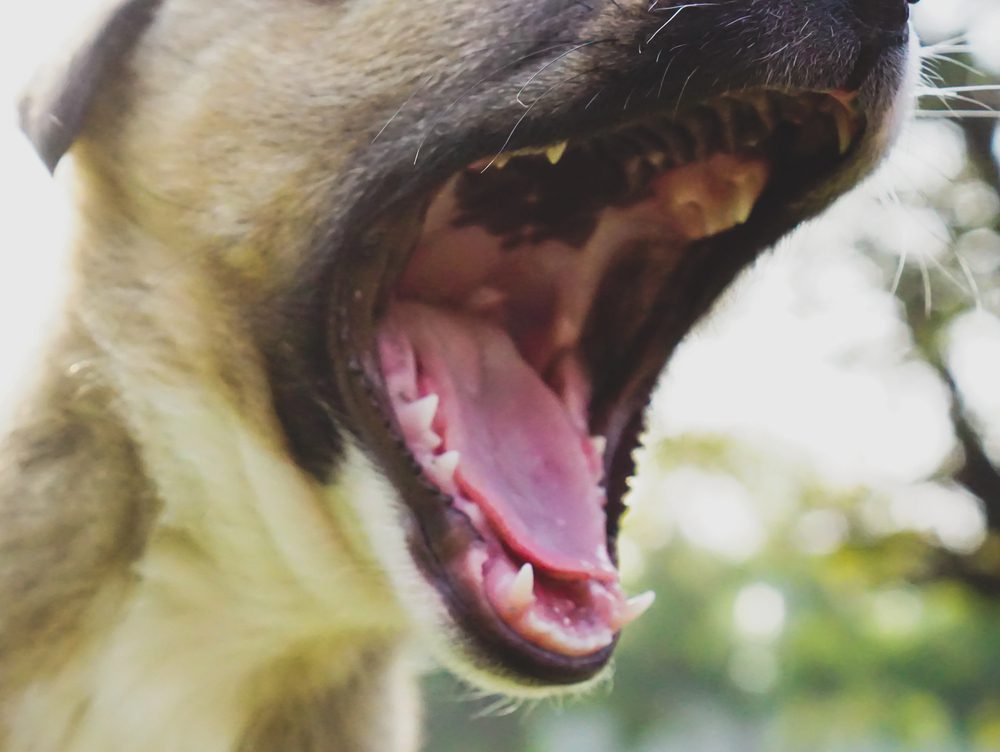
There’s nothing quite like getting a big, affectionate kiss from your dog—until you catch a whiff of their breath! While occasional mild odors may not be unusual, persistent bad breath can signal something more serious. Understanding the causes of bad breath in dogs is essential for protecting your furry friend’s oral health and overall well-being. At Shallowford Animal Hospital, we help pet owners identify dental concerns and find solutions that keep their dogs healthy and comfortable. If your dog’s breath has become noticeably unpleasant, call us at (336) 945-4412 to schedule a dental examination.
Common Causes of Bad Breath in Dogs
If you’ve ever wondered, “Why does my dog have bad breath?” you’re certainly not alone. Many pet owners assume unpleasant breath is simply part of having a dog, but persistent odors often indicate an underlying issue.
Several conditions can contribute to bad breath, ranging from routine plaque buildup to more serious health concerns.
Plaque and Tartar Buildup
One of the most common causes of bad breath is the accumulation of plaque and tartar on your dog’s teeth. Plaque is a sticky film containing bacteria that forms naturally throughout the day. Without regular cleaning, it can harden into tartar, creating an environment where bacteria thrive.
As bacteria accumulate along the gumline, they release unpleasant odors and contribute to inflammation. Over time, untreated buildup can lead to more significant dental problems.
Periodontal Disease
Periodontal disease is a common dental condition affecting dogs. It begins with inflammation of the gums and can progress to damage the tissues and bones supporting the teeth.
In addition to persistent bad breath, dogs with periodontal disease may experience swollen gums, loose teeth, discomfort while eating, or tooth loss.
Because dogs often hide signs of pain, dental disease may advance before owners recognize a problem. Routine veterinary examinations help us identify these concerns and recommend appropriate treatment.
Oral Infections and Dental Injuries
Infected teeth, fractured teeth, tooth root abscesses, and wounds inside the mouth can all produce strong, unpleasant odors.
These conditions may also cause swelling, excessive drooling, sensitivity around the mouth, or changes in eating habits. Some dogs continue eating normally despite significant discomfort.
If we suspect an infection or injury, a thorough veterinary examination helps determine the cause and the most appropriate treatment.
Foreign Objects Trapped in the Mouth
Dogs love exploring the world with their mouths. Unfortunately, sticks, bone fragments, food particles, and other objects can sometimes become lodged between their teeth or embedded in their gums.
Trapped material can cause irritation, bacterial growth, and infection, leading to bad breath. If your dog suddenly develops an unusual mouth odor, particularly after chewing on something, a veterinary examination may be necessary.
Underlying Medical Conditions
Although dental problems are a leading cause of bad breath, certain medical conditions can also change how your dog’s breath smells.
Some potential causes include:
- Kidney disease: May sometimes produce an ammonia-like breath odor, particularly in advanced cases.
- Uncontrolled diabetes: Can cause a sweet or fruity breath odor associated with ketones.
- Gastrointestinal or metabolic conditions: Certain health problems may contribute to unusual breath odors, although these are less common causes than dental disease.
These odors are not reliable diagnostic tools on their own, but they may provide clues when accompanied by other symptoms.
If your dog experiences unusual breath odors alongside increased thirst, frequent urination, vomiting, appetite changes, or lethargy, we recommend prompt veterinary evaluation. Fruity breath accompanied by vomiting or weakness may indicate a medical emergency.
How to Recognize the Signs of Dental Disease in Dogs
Bad breath is often one of the first noticeable indicators of an oral health problem. However, it isn’t the only symptom pet owners should monitor.
Common signs of dental disease in dogs include:
- Yellow or brown tartar accumulating on the teeth
- Red, swollen, or bleeding gums
- Excessive drooling
- Difficulty chewing or dropping food while eating
- Pawing at the mouth or rubbing the face
- Loose, broken, or missing teeth
- Reduced interest in chew toys
- Changes in eating habits or behavior
One important thing to remember is that dogs may continue eating even when their mouths hurt. A healthy appetite doesn’t necessarily mean their teeth and gums are healthy.
At Shallowford Animal Hospital, we encourage pet owners to pay attention to subtle changes and schedule an examination when dental symptoms appear. Early identification can help prevent unnecessary discomfort and more extensive treatment.
How to Get Rid of Dog Bad Breath
If you’re researching how to get rid of dog bad breath, the most effective approach is to address the underlying cause while establishing a consistent oral hygiene routine.
Although some cases require professional treatment, there are several ways to support your dog’s dental health at home.
Brush Your Dog’s Teeth Regularly
Routine toothbrushing is one of the most effective methods for reducing plaque and maintaining healthy teeth and gums.
To establish a successful brushing routine, we recommend:
- Using a dog-specific toothbrush and pet-safe toothpaste rather than human toothpaste, which may contain harmful ingredients.
- Starting slowly by allowing your dog to become comfortable with having their mouth handled.
- Gradually introducing the toothbrush while rewarding cooperation with praise or treats.
- Brushing daily whenever possible to help prevent plaque accumulation.
Consistency is important. Even if your dog initially resists brushing, a gradual and positive approach can help make dental hygiene part of their regular routine.
Choose Veterinarian-Recommended Dental Products
Dental chews, treats, and other oral hygiene products can help support your dog’s dental care routine.
When choosing products, look for options accepted by the Veterinary Oral Health Council (VOHC), which evaluates products for their ability to help control plaque or tartar.
Remember that dental treats are not a substitute for brushing or professional veterinary care. Choose products appropriate for your dog’s size and chewing habits, and supervise chewing to reduce the risk of choking or tooth fractures.
Be Cautious With Home Remedies
There are many dog bad breath remedies advertised online, but not all are effective or safe.
Some homemade solutions may contain ingredients that irritate your dog’s mouth or are toxic to pets. For example, products containing xylitol should never be given to dogs.
Instead of relying on breath-freshening shortcuts, we recommend focusing on proven dental hygiene practices and veterinary guidance.
If your dog’s breath remains unpleasant despite regular brushing, an examination can help identify whether dental disease or another condition is responsible.
Schedule Routine Dental Examinations
Maintaining good dog dental health requires more than at-home cleaning.
During a veterinary examination, we can assess your dog’s visible teeth and gums, look for signs of oral disease, and discuss preventive care recommendations.
Every dog has different dental needs. Age, breed, genetics, diet, and existing oral health conditions can all influence how frequently professional care is necessary.
When Is Professional Dog Teeth Cleaning Necessary?
Even with excellent at-home dental care, plaque and tartar can accumulate in areas that brushing cannot adequately reach, particularly beneath the gumline.
Professional dog teeth cleaning helps remove these deposits and allows veterinarians to evaluate the health of the teeth and surrounding tissues more thoroughly.
A comprehensive veterinary dental procedure generally includes several important steps:
- Pre-anesthetic evaluation: Before a dental procedure, we assess your dog’s health and determine whether additional testing is appropriate. Bloodwork may be recommended to evaluate organ function and help guide anesthesia planning.
- Anesthesia and monitoring: Comprehensive dental cleaning requires general anesthesia so the veterinary team can safely examine and clean the teeth, including areas beneath the gumline. Appropriate monitoring helps support your dog’s safety and comfort.
- Dental scaling and polishing: Dental instruments are used to remove plaque and tartar from the teeth, including below the gumline. The teeth are then polished to smooth their surfaces and help reduce plaque accumulation.
- Dental examination and additional treatment: A thorough oral examination helps identify damaged teeth, periodontal disease, and other concerns. Dental X-rays may be recommended or performed because some dental problems are hidden beneath the gums. Additional treatment may be necessary if diseased or damaged teeth are discovered.
The appropriate frequency of professional cleanings varies. Some dogs need more frequent dental care than others, especially small breeds and pets prone to periodontal disease.
Why Choose Shallowford Animal Hospital for Your Dog’s Dental Care?
When it comes to your dog’s oral health, choosing a veterinary team that understands your pet’s individual needs is important.
At Shallowford Animal Hospital, we’re proud to serve pets and their families in Lewisville, NC, and surrounding communities. We believe preventive veterinary care plays an essential role in helping dogs enjoy healthier, more comfortable lives.
For pet owners seeking dog dental care in Lewisville, NC, our team is committed to providing attentive service, clear communication, and personalized recommendations.
Compassionate, Individualized Care
We understand that every dog has unique health needs and that dental concerns can be stressful for pet owners.
Our approach focuses on helping you understand your dog’s condition, available treatment options, and steps you can take to support their long-term oral health.
Focus on Preventive Wellness
Dental health is an important part of your dog’s overall wellness. By identifying potential problems early, we can help you make informed decisions about preventive care and treatment.
We also emphasize the importance of regular veterinary examinations, at-home dental hygiene, and recognizing changes that may indicate discomfort.
Veterinary Team You Can Trust
We value the relationships we build with pets and their families. Whether your dog needs a routine wellness examination or an evaluation for persistent bad breath, we’re here to help you understand the next steps.
Our goal is to make veterinary care a positive, supportive experience while keeping your dog’s health and comfort at the center of everything we do.
Understanding the Causes of Bad Breath in Dogs: Take the Next Step Toward Better Dental Health
Persistent bad breath shouldn’t be dismissed as a normal part of having a dog. From plaque buildup and periodontal disease to oral infections and underlying medical conditions, the causes of bad breath in dogs can vary significantly.
Fortunately, regular toothbrushing, appropriate dental products, routine veterinary examinations, and professional dental cleanings when needed can help protect your dog’s teeth and gums.
At Shallowford Animal Hospital, we’re dedicated to helping pets live healthier, happier lives through compassionate, individualized veterinary care.
Don’t let bad breath become a bigger health concern for your furry friend. Call Shallowford Animal Hospital at (336) 945-4412 today to schedule a dental examination and take the next step toward a healthier smile.
Follow us on Facebook and Instagram for helpful pet care tips, hospital updates, and more ways to keep your furry friends happy and healthy.
Share This Post
Recent Posts


About Shallowford Animal Hospital
Shallowford Animal Hospital and The Pet Spa at Shallowford are dedicated to the exceptional, compassionate care your pet deserves. Pets hold a very special place in our families, and we treat yours like our own.