

Why Is My Cat Drinking So Much Water? What Their Thirst May Be Telling You
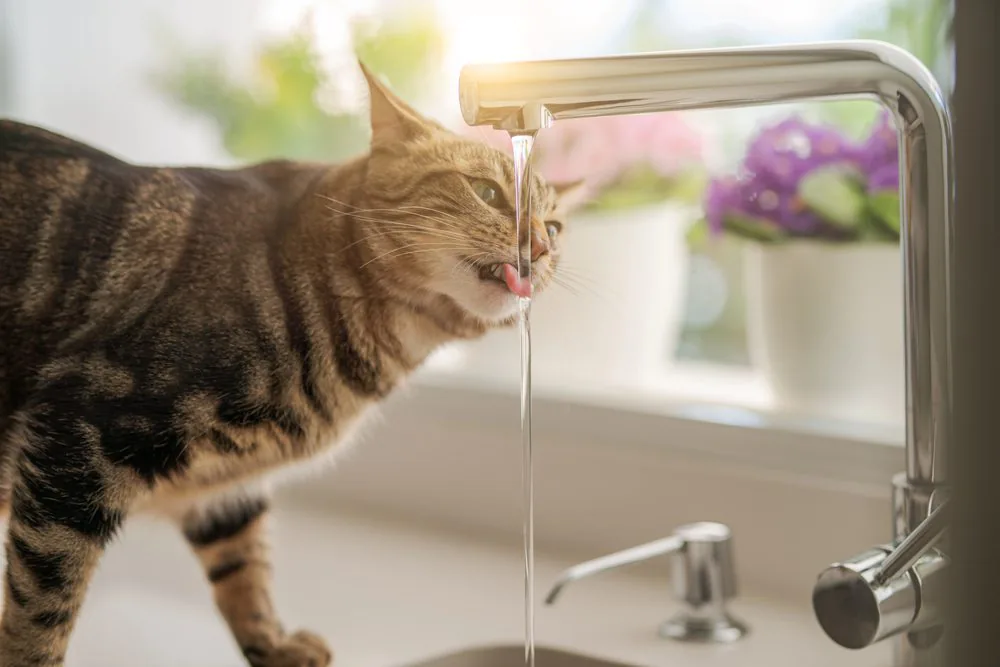
If you’ve recently found yourself wondering, “Why is my cat drinking so much water?” you’re right to pay attention to the change. At Shallowford Animal Hospital, we know that every cat has unique habits, and a noticeable increase in thirst can sometimes be an important clue about their health. While there are harmless reasons your cat may head to the water bowl more often, persistent thirst can also be associated with an underlying medical condition. If your cat’s drinking habits have changed, call us at (336) 945-4412 to schedule an appointment so we can help determine what may be causing it.
How Much Water Should a Cat Normally Drink?
The amount of water a cat needs can vary based on several factors. Because of this, there isn’t one drinking pattern that is normal for every cat. Some of the factors that can influence your cat’s water intake include:
- Age and body size
- Wet food versus dry food
- Activity level
- Temperature and environment
- Overall health
- Certain medications
Diet can make a particularly noticeable difference. Cats who eat wet food receive a significant amount of moisture from their meals, so they may not visit their water bowl as frequently as cats who primarily eat dry food.
Rather than focusing only on how much your cat drinks compared with another cat, we recommend becoming familiar with your own cat’s normal routine. If you suddenly notice your cat drinking more water than usual, especially for several days or alongside other changes, it’s worth discussing with our veterinary team.
Why Is My Cat Drinking So Much Water?
There are many possible reasons for a cat drinking a lot of water. Sometimes, the explanation may be relatively simple. Warmer temperatures, increased activity, a switch to a drier diet, or certain medications may affect how thirsty a cat feels.
However, excessive thirst in cats can also be associated with medical conditions that require veterinary attention. Veterinarians may use the term polydipsia to describe excessive drinking. Increased thirst in cats becomes particularly important to investigate when it persists or occurs along with increased urination, appetite changes, weight loss, vomiting, lethargy, or behavioral changes.
Because several different conditions can cause similar symptoms, we recommend having your cat evaluated rather than trying to determine the cause based on thirst alone.
Health Conditions That Can Cause Cats to Drink More
When a cat begins drinking significantly more water, we consider the entire picture. Their age, medical history, diet, medications, physical examination, and other symptoms can all help us determine which underlying causes should be investigated.
Some of the health conditions and concerns we may consider include:
- Kidney disease
- Diabetes mellitus
- Hyperthyroidism
- Dehydration
- Liver problems
- Fever or other illnesses
- Effects of certain medications
Kidney Disease
The kidneys play an essential role in filtering waste and helping the body maintain an appropriate balance of water and other substances. When kidney function declines, a cat may produce more dilute urine and compensate for that fluid loss by drinking more.
Increased drinking and urination can be among the signs of kidney disease in cats, but owners may also notice decreased appetite, weight loss, vomiting, lethargy, poor coat condition, or other changes.
Kidney disease is more common in older cats, although kidney problems can occur at other ages. Veterinary testing can help us evaluate kidney function and determine whether further treatment or monitoring is appropriate.
Diabetes
Diabetes mellitus is another condition that can cause a noticeable increase in drinking and urination. It occurs when a cat’s body cannot properly produce or respond to insulin, resulting in difficulty regulating blood sugar.
Common diabetes symptoms in cats can include increased thirst and urination, weight loss, changes in appetite, and weakness or reduced activity. Because some of these symptoms overlap with other medical conditions, diagnostic testing is important for determining what is actually happening.
With appropriate veterinary management and monitoring, many cats with diabetes can continue to enjoy a good quality of life.
Hyperthyroidism
Hyperthyroidism in cats occurs when the thyroid gland produces excessive amounts of thyroid hormone. It is especially common in middle-aged and older cats and can cause changes throughout the body.
One of the most recognizable signs is weight loss despite a normal or increased appetite. Cats may also experience increased thirst and urination, restlessness, increased vocalization, vomiting, diarrhea, or changes in their coat.
Blood testing can help us determine whether thyroid hormone levels are contributing to your cat’s symptoms.
Other Possible Causes of Increased Thirst
Kidney disease, diabetes, and hyperthyroidism are not the only reasons a cat may drink more. Increased thirst can also occur with dehydration, certain medications, liver problems, fever, dietary changes, and other health concerns.
This is why we look beyond a single symptom. A veterinary examination allows us to consider your cat’s overall health and determine whether diagnostic testing is needed.
When Should You Be Concerned About Your Cat Drinking More Water?
An occasional extra trip to the water bowl does not necessarily mean your cat is sick. What matters most is whether you’re noticing a meaningful or persistent departure from their usual behavior.
We recommend paying particular attention when increased drinking occurs along with:
- Increased or more frequent urination
- Weight loss
- Decreased or increased appetite
- Vomiting or diarrhea
- Lethargy or weakness
- Changes in grooming
- Changes in litter box habits
- Unusual vocalization or behavior
Cats can be very good at concealing discomfort and illness. Seemingly small changes in everyday routines may therefore be valuable clues that something has changed.
If you’re unsure whether your cat is actually drinking more, watch how often you refill their bowl or note changes in the water level each day. In multi-cat households, this can be more challenging, so watching each cat’s behavior around the water bowl may also help.
What to Expect When You Bring Your Cat to the Veterinarian
When you bring your cat to us because of increased thirst, we’ll start by gathering information about their drinking, eating, urination, behavior, medications, and any other changes you have noticed. We’ll also perform a physical examination to assess their overall health.
Depending on our findings, we may recommend diagnostic testing. Bloodwork can provide valuable information about kidney function, blood sugar, thyroid hormone levels, and other indicators of health. A urinalysis may also help us evaluate kidney function, hydration, urinary health, and other concerns.
The appropriate tests depend on your cat’s individual situation. Our goal is to identify the cause of their symptoms so we can recommend care tailored to their needs.
What Can You Do at Home if Your Cat Is Drinking More?
If you notice a change in your cat’s drinking habits, keeping track of what you observe can provide useful information at their veterinary appointment. Before your visit, consider monitoring:
- How often you refill your cat’s water bowl
- Approximately how much water your cat drinks each day
- Changes in the frequency or amount of urination
- Changes in appetite or eating habits
- Unexplained weight loss or gain
- Vomiting, diarrhea, or other digestive changes
- Changes in energy, grooming, sleep, or behavior
In multi-cat households, measuring one cat’s water consumption can be difficult, so simply noting changes in how frequently they visit the water bowl can still be helpful. Sharing these observations with us can provide useful context as we evaluate your cat.
Most importantly, continue giving your cat free access to clean, fresh water. Do not restrict their water intake in an attempt to reduce excessive drinking unless a veterinarian has specifically instructed you to do so.
Why Choose Shallowford Animal Hospital for Your Cat’s Care?
When something about your cat’s health or behavior changes, we understand how important it is to get answers. At Shallowford Animal Hospital, we provide veterinary care through every stage of your cat’s life, from routine preventive visits to evaluating new symptoms and managing ongoing health concerns.
Here are seven reasons families choose us for their cats’ veterinary care:
- Experienced veterinary care: Our team is committed to providing attentive, individualized care based on each pet’s health needs.
- Comprehensive wellness care: We provide preventive care designed to help cats stay healthy throughout every stage of life.
- Diagnostic capabilities: When symptoms such as increased thirst, urination, appetite changes, or weight loss occur, we can use diagnostic testing to help investigate the cause.
- Personalized recommendations: Every cat is different, so we tailor our recommendations to your cat’s health, age, lifestyle, and individual needs.
- Ongoing health management: For cats diagnosed with chronic conditions, we can provide continued monitoring and adjust their care as their needs change.
- Compassionate approach: We understand that veterinary visits can be stressful for cats and their families, and we strive to provide thoughtful, compassionate care.
- Local veterinary care you can rely on: We’re proud to serve cats and their families in Lewisville and the surrounding communities.
Wondering Why Is My Cat Drinking So Much Water? Let Us Help
If you’re asking yourself, “Why is my cat drinking so much water?” a veterinary examination can help you move from wondering to understanding. Increased thirst does not automatically mean your cat has a serious illness, but a persistent change can be associated with conditions such as kidney disease, diabetes, hyperthyroidism, and other health concerns. Identifying the reason behind the change can help us determine what care your cat may need.
At Shallowford Animal Hospital, we’re here to help you understand changes in your cat’s health and provide personalized veterinary care when they need it. If your cat is drinking more than usual or showing other concerning symptoms, call us at (336) 945-4412 to schedule an appointment.
Get more pet care tips by following us on Facebook and Instagram.
Share This Post
Recent Posts


About Shallowford Animal Hospital
Shallowford Animal Hospital and The Pet Spa at Shallowford are dedicated to the exceptional, compassionate care your pet deserves. Pets hold a very special place in our families, and we treat yours like our own.