

Cat Tree: Why It’s a Must-Have for Your Feline
A cat tree gives cats a dedicated place to climb, perch, scratch, and relax, all within the safety of their home environment. For many cats, vertical space meets instincts that flat floors simply cannot. From watching the world from above to stretching muscles through climbing, this one piece of furniture often becomes a daily destination. Cat owners may notice changes in behavior, confidence, and activity once a climbing tower becomes part of the home. While it may look like a simple accessory, it often supports both physical engagement and emotional comfort.
Cats thrive in environments that allow choice and control. A well-placed cat tree gives them options without disrupting household routines. It creates boundaries, offers enrichment, and fits naturally into indoor living. When chosen thoughtfully, it supports daily habits that matter to cats of all ages.
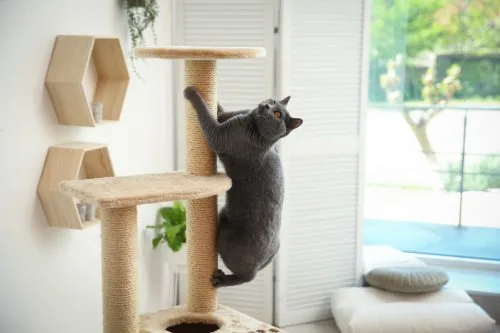
Why Every Cat Needs a Cat Tree
Cats naturally seek height, even in the wild. Elevated spaces allow them to observe surroundings, feel secure, and avoid perceived threats. A cat tree recreates this instinctive need in a way that fits indoor life. Without vertical options, cats may climb counters, shelves, or furniture instead, which can lead to frustration for both pets and owners.
Vertical territory also helps cats share space more comfortably. In multi-pet households, access to height often reduces tension. Cats can move away from busy areas without leaving the room entirely. This flexibility supports calmer interactions and fewer conflicts over favorite resting spots.
A cat tree also provides structure to a cat’s day. Cats often rotate between sleeping, grooming, watching, and brief periods of activity. Having a consistent place for these behaviors helps create predictability. Over time, many cats treat their tree as a personal retreat.
The Health and Behavioral Benefits
A cat tree supports natural movement patterns that indoor cats may not otherwise experience. Climbing, jumping, and stretching engage muscles and joints in a way that floor-level play cannot. These movements help cats stay agile and mentally engaged throughout adulthood. Behaviorally, access to vertical space often reduces stress-related habits. Cats that feel confined may express anxiety through scratching furniture, hiding, or excessive vocalization. A cat tree offers an appropriate outlet for these needs while keeping household items intact.
Key benefits often include:
- Opportunities for climbing and controlled jumping
- Designated scratching surfaces
- Elevated resting and observation areas
Over time, these features can support a calmer home environment. Cats often show improved confidence when they have reliable access to spaces that feel safe and familiar.
Supporting Natural Instincts Indoors
Indoor cats still carry the instincts of hunters and climbers. A cat tree allows them to scan their surroundings from above, which mimics lookout behaviors seen in outdoor cats. Watching birds through a window or observing household activity from a perch can keep cats mentally engaged for long periods.
Scratching posts built into many cat trees support scent marking and claw maintenance. These behaviors are part of how cats communicate and maintain comfort. Providing appropriate surfaces helps direct these instincts in a positive way.
How to Choose the Right Cat Tree for Your Home
Choosing the right cat tree involves more than picking one that looks appealing. Size, stability, and layout all matter. A tree should fit comfortably within the available space while allowing cats to climb without obstruction. Placement near a window often increases interest and long-term use.
Stability is especially important. A wobbly cat tree may discourage use or create safety concerns. Look for a solid base and materials designed to handle repeated jumping and climbing. The height should match your cat’s confidence level and physical abilities.
When comparing options, consider:
- Overall height and number of platforms
- Scratching surfaces and materials
- Weight capacity and base width
A well-chosen cat tree blends into the home while meeting your cat’s daily needs. Cats tend to favor trees that feel secure and easy to navigate.
Matching the Tree to Your Cat’s Age and Lifestyle
Kittens often prefer taller structures with multiple levels for exploration. Adult cats may enjoy a balance of climbing space and wide resting platforms. Senior cats often benefit from lower platforms and gentle ramps rather than steep climbs.
Personality also plays a role. Some cats prefer enclosed cubbies, while others gravitate toward open perches. Observing where your cat already likes to rest can guide your decision.
Tips for Encouraging Your Cat to Use Their Tree
Some cats take to a new cat tree immediately, while others need time. Placement makes a significant difference. Positioning the tree near a favorite window, couch, or sleeping area often increases curiosity. Avoid placing it in isolated or low-traffic areas at first.
Positive reinforcement helps build interest. When cats explore the tree on their own, they often return to it. Patience matters, as forcing interaction may have the opposite effect.
Helpful strategies include:
- Introducing the tree gradually into the space
- Allowing the cat to explore at its own pace
- Keeping the area calm and familiar
Over time, most cats incorporate the cat tree into their daily routine, especially when it aligns with their existing habits.
Cat Trees for Multiple Cats
In homes with more than one cat, vertical space becomes even more important. A single cat tree with multiple platforms allows cats to share territory without direct competition. This setup supports personal space while keeping cats in the same general area.
Different levels help cats establish preferred spots. One cat may favor the highest perch, while another prefers a lower cubby. These choices reduce friction and promote peaceful coexistence.
When choosing a tree for multiple cats, look for:
- Several platforms spaced at different heights
- Sturdy construction designed for frequent use
- Wide perches that allow comfortable resting
A thoughtfully selected cat tree can become a shared resource rather than a point of conflict.
When to Talk to Your Vet About a Cat’s Environment
A cat’s environment plays a role in behavior, activity, and overall comfort. Changes such as increased hiding, reduced activity, or ongoing tension with other pets may signal that adjustments are needed. While a cat tree often helps, some situations benefit from professional input.
Your veterinarian can offer guidance on environmental enrichment based on your cat’s age, lifestyle, and household setup. This conversation can be especially helpful for indoor-only cats or homes with recent changes.
If you have questions about your cat’s behavior or environment, the team at Shallowford Animal Hospital in Lewisville, NC is available to help. Call (336) 945-4412 or request an appointment online to discuss your cat’s needs.
A Higher View of a Happier Home
A cat tree adds more than vertical space. It supports daily routines, encourages movement, and gives cats a place that feels like their own. For many households, it becomes a quiet solution to common challenges like boredom, tension, or unwanted climbing. By choosing the right tree and placing it thoughtfully, cat owners can create an environment that feels balanced and engaging. Small changes in space often make a noticeable difference in how cats move, rest, and interact at home.
Share This Post
Recent Posts



About Shallowford Animal Hospital
Shallowford Animal Hospital and The Pet Spa at Shallowford are dedicated to the exceptional, compassionate care your pet deserves. Pets hold a very special place in our families, and we treat yours like our own.