

Cat Litter Box: A Guide to Placement and Problem Solving
A cat litter box is more than a household accessory. It supports daily routines, comfort, and cleanliness for both cats and their households. When the setup works well, most cats use it without hesitation. When something feels off, even subtle issues with location, size, or cleanliness can lead to avoidance, messes, or stress-related behaviors. Understanding how to choose, place, and maintain the right cat litter box helps reduce frustration and supports consistent habits over time.
Cats tend to be particular about where and how they eliminate. They rely on instinct, privacy, and predictability. A thoughtful approach to litter box decisions can prevent many common concerns before they start. This guide walks through practical considerations and problem-solving strategies, so pet owners know what to adjust and when it makes sense to seek veterinary guidance.
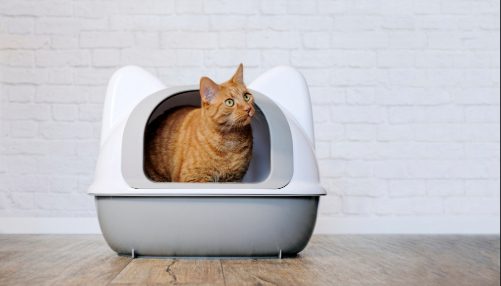
How to Choose the Right Litter Box
Selecting the right litter box sets the foundation for consistent use. Many cats reject boxes that feel cramped, unstable, or difficult to enter. Size often matters more than style, even though covered or decorative boxes may look appealing to people. Most cats prefer enough space to turn around, dig, and cover waste without touching the sides.
A general rule is that the box should be at least one and a half times the length of the cat from nose to base of tail. Kittens, senior cats, and cats with mobility limitations may need lower entry points. Boxes with high sides can help contain litter scatter, but they should still allow easy access.
Material also plays a role. Plastic boxes remain common, but they can retain odors over time. Replacing them periodically helps maintain freshness.
When choosing a box, keep these factors in mind:
- Overall size and interior space
- Height of entry for easy access
- Stability on the floor
- Ease of cleaning
Some cats show strong preferences, so offering options can help identify what works best in a multi-cat household.
Litter Box Placement: Where to Put It
Location influences whether a cat uses the box consistently. Cats look for quiet, low-traffic areas where they feel safe and undisturbed. Placing the box near loud appliances or in busy hallways can discourage use, even if the box itself is ideal.
At the same time, the box should remain easy to reach. Cats do not like navigating stairs or long distances when the urge arises. Accessibility becomes even more important for older cats or those with joint stiffness.
Avoid placing the box next to food and water bowls. Cats instinctively separate eating and elimination areas. Bathrooms, spare rooms, or quiet corners often work well if they allow privacy without isolation.
In homes with multiple levels or multiple cats, placement strategy matters even more.
Litter Box Rules for Multi-Cat Homes
Cats may share space, but they do not always like sharing resources. Competition or tension can lead to avoidance behaviors. A commonly recommended guideline involves providing one box per cat, plus one extra. This approach reduces crowding and gives cats options if one box feels unavailable.
Place boxes in separate areas rather than clustering them together. This setup prevents one cat from blocking access and helps maintain a sense of security for all pets in the household.
Understanding the Best Type of Litter
The type of litter inside the box affects comfort, odor control, and cleanliness. Many cats prefer fine-grain, unscented litter because it feels similar to sand or soil. Strong fragrances may appeal to people but can overwhelm a cat’s sensitive nose.
Clumping litter allows for easier daily maintenance and helps control odor by removing waste efficiently. Non-clumping options may work for some households but often require more frequent full changes.
Texture changes can trigger rejection, especially if introduced suddenly. Gradual transitions help cats adjust without stress.
When evaluating litter options, consider:
- Texture and grain size
- Scent or lack of fragrance
- Dust levels
- Clumping ability
Consistency matters. Once a cat shows a clear preference, sticking with that type of litter supports reliable use.
How Often to Clean the Litter Box
Cleanliness ranks among the most common reasons cats stop using the box. Cats naturally seek clean areas for elimination, and even mild odors can deter them. Scooping at least once daily helps keep the environment inviting and prevents waste buildup.
Beyond daily scooping, a full litter change and box wash should occur on a regular schedule. Warm water and mild soap usually work well. Avoid harsh cleaners, as lingering chemical scents may discourage use.
Plastic boxes absorb odors over time, even with good care. Replacing the box every year or so can make a noticeable difference.
A consistent cleaning routine benefits everyone in the home. It reduces odor, limits tracking, and supports predictable habits for cats who rely on routine.
Troubleshooting Litter Box Problems
When a cat starts eliminating outside the box, frustration often follows. While behavior changes may seem sudden, they usually stem from an underlying issue related to comfort, access, or environment. Observing patterns can help narrow down the cause.
Start by evaluating recent changes. New furniture, schedule disruptions, or household stressors can influence litter box habits. Even small adjustments in location or litter type may trigger avoidance.
Common Litter Box Challenges and What to Review
Some frequent concerns include:
- Avoidance of the box altogether
- Eliminating just outside the box
- Excessive digging or litter scattering
- Inconsistent use
Review box size, cleanliness, placement, and litter type before assuming a behavioral issue. In many cases, simple adjustments resolve the problem without further intervention.
Multi-cat dynamics, anxiety, or changes in routine can also contribute. Paying attention to when and where issues occur helps identify patterns worth addressing.
When to Talk to Your Vet About Litter Box Issues
Litter box problems sometimes signal more than a setup issue. Changes in elimination habits can reflect discomfort, stress, or underlying health concerns. If adjustments to the environment do not improve the situation, a veterinary visit helps rule out medical causes.
Cats often hide signs of discomfort. Avoidance, straining, frequent trips to the box, or changes in urine or stool patterns warrant professional evaluation. Early conversations with a veterinarian can prevent ongoing stress for both the cat and the household.
Pet owners in Lewisville, NC, can contact Shallowford Animal Hospital at (336) 945-4412 or request an appointment online if litter box concerns persist. Guidance from a veterinary team helps clarify next steps and supports long-term success.
Smart Litter Box Choices That Support Daily Comfort
A well-managed cat litter box supports more than cleanliness. It helps maintain routine, reduces stress, and promotes consistent habits that fit naturally into a cat’s day. Thoughtful decisions around size, placement, litter type, and cleaning routines prevent many common issues before they escalate.
When questions arise or changes persist, partnering with a trusted veterinary team provides clarity and peace of mind. With the right setup and support, most litter box challenges become manageable, allowing cats and their households to settle into a smoother daily rhythm.
Share This Post
Recent Posts



About Shallowford Animal Hospital
Shallowford Animal Hospital and The Pet Spa at Shallowford are dedicated to the exceptional, compassionate care your pet deserves. Pets hold a very special place in our families, and we treat yours like our own.