

Dog Door: A Guide to Choosing & Using One Safely
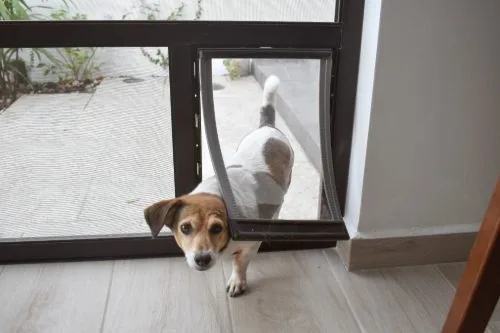
A dog door is a built-in access point that allows a dog to move between indoor and outdoor spaces without relying on someone to open the door. When chosen carefully and used correctly, a dog door can support daily routines, encourage healthy activity, and offer added flexibility for busy households. For many pet owners, it becomes a practical tool that blends convenience with thoughtful pet care, as long as safety, size, and placement remain front of mind.
The Benefits of a Dog Door for Your Pet
A dog door can provide meaningful day-to-day benefits for dogs when it fits their needs and lifestyle. One of the most appreciated advantages is increased independence. Dogs that can step outside on their own schedule often feel more relaxed, especially during long workdays or busy mornings when routines vary.
Access to the outdoors also supports consistent movement. Dogs can stretch, walk, and explore the yard more frequently, which helps burn energy and reduces restlessness. This can be especially helpful for dogs that enjoy short, frequent breaks rather than long, structured outings.
A dog door can also ease transitions during house training or schedule changes. When dogs know where to go and when, they tend to develop predictable habits. Over time, this consistency can reduce accidents near doors and limit stress-related behaviors. For many households, the benefit extends to pet owners as well, creating smoother routines that work for everyone.
Types of Dog Doors and How to Choose
Not every dog door works for every home or dog. Choosing the right option requires careful consideration of size, materials, and installation style. A thoughtful selection helps support comfort while protecting your home environment.
Size and Fit Considerations
Size plays a major role in how well a dog door functions. A door that is too small can discourage use or cause physical strain, while one that is too large may create safety and insulation concerns. Measure your dog’s height at the shoulders and width at the chest, then add a small margin to allow comfortable movement.
Age and mobility also matter. Puppies grow quickly, and senior dogs may need a lower step-through height. Dogs with joint stiffness or recovering from injury may benefit from doors with flexible flaps and smooth edges. Planning for your dog’s current and future needs can help extend the lifespan of your choice.
Materials, Technology, and Installation Styles
Dog doors come in a range of materials, from simple plastic flaps to insulated, weather-resistant frames. Some models include magnetic closures or double flaps to limit drafts and maintain indoor temperatures. These features can be helpful in areas with seasonal weather changes.
Technology-based options are also available, including microchip-activated or collar-sensor designs. These doors open only for approved pets, which can reduce unwanted animal entry. Installation style matters as well. Wall-mounted doors, sliding glass inserts, and traditional door installations each come with their own requirements. Selecting the right type depends on your home layout and long-term plans.
Dog Door Safety: What You Need to Know
Safety should remain a central focus when introducing a dog door. While convenience matters, protecting your dog and home environment is equally important. Placement, supervision, and maintenance all play a role in safe use.
Preventing Accidents and Unwanted Access
Proper placement helps reduce risks. A dog door should open into a secure, fenced area rather than an unfenced yard or driveway. This limits the chance of a dog wandering beyond safe boundaries. Visibility also matters. Doors placed in low-traffic areas can prevent collisions with people or other pets moving through the space.
Unwanted access is another concern. Wildlife or neighborhood animals may attempt to enter through an unsecured opening. Choosing a dog door with locking mechanisms or selective entry features can help address this issue. Regularly checking the surrounding area for signs of wear or damage also supports ongoing safety.
Weather protection deserves attention as well. Poorly sealed doors may allow drafts, moisture, or insects inside. High-quality seals and routine inspections help maintain a comfortable indoor environment while keeping your dog’s access point functional.
How to Train Your Dog to Use a Dog Door
Training helps dogs feel confident and comfortable with a new dog door. While some dogs adapt quickly, others need time and encouragement. A calm, patient approach supports positive learning.
Step-by-Step Introduction
Start by securing the flap open so your dog can see through the opening clearly. Encourage exploration with a familiar voice and positive reinforcement. Standing on the opposite side and calling your dog through can help build trust and curiosity.
Gradually lower the flap once your dog shows interest. Allow them to nudge it with their nose or paw at their own pace. Avoid forcing movement, as this can create hesitation. Short, positive sessions tend to work better than long training attempts.
Consistency helps reinforce progress. Practice at the same time each day so your dog begins to associate the dog door with routine activities. Over time, most dogs learn to use it comfortably and independently.
Common Dog Door Problems and Solutions
Even well-chosen dog doors may present challenges over time. Identifying issues early helps keep the setup working smoothly for both pets and people.
One common concern involves noise from flapping panels, especially during windy weather. Choosing a door with weighted or magnetic closures can help reduce movement and sound. Drafts may indicate worn seals, which can often be replaced without installing a new unit.
Some dogs may hesitate to use the door consistently. Changes in weather, new surroundings, or discomfort can all affect behavior. Reintroducing training techniques or adjusting placement can help restore confidence. Regular maintenance, including cleaning tracks and checking hinges, also supports long-term use.
Security concerns sometimes arise as household needs change. Locking the door at night or during extended absences can provide peace of mind. Many modern designs make this adjustment simple, allowing flexibility without sacrificing safety.
The Role of Your Vet in Choosing a Dog Door
Your veterinarian can be a helpful resource when deciding whether a dog door suits your pet’s lifestyle. While they do not provide installation advice, they can discuss physical considerations such as size, mobility, and age-related changes that may affect use.
For example, dogs with arthritis or mobility limitations may need lower step-through heights or softer flaps. Puppies may require temporary solutions that adapt as they grow. Behavioral factors also matter. Dogs with anxiety or strong prey drives may need additional supervision or training support.
The team at Shallowford Animal Hospital in Lewisville, NC, can help pet owners think through these factors during wellness visits. If you have questions about whether a dog door fits into your dog’s routine, you can call (336) 945-4412 or request an appointment online.
Opening the Door to Smarter Choices for Your Dog
A dog door can be a valuable addition to your home when it aligns with your dog’s needs, your property layout, and your daily routine. Thoughtful selection, safe placement, and patient training all contribute to positive outcomes. By planning ahead and staying attentive to changes over time, pet owners can make this feature work smoothly and safely. For guidance tailored to your dog’s age, activity level, or health considerations, the veterinary team at Shallowford Animal Hospital is available to support informed, confident decisions.
Share This Post
Recent Posts


About Shallowford Animal Hospital
Shallowford Animal Hospital and The Pet Spa at Shallowford are dedicated to the exceptional, compassionate care your pet deserves. Pets hold a very special place in our families, and we treat yours like our own.