

Dog Pool: A Guide to Water Safety and Fun
A dog pool gives many dogs a safe, controlled way to cool off, stay active, and enjoy water without the unpredictability of lakes, rivers, or crowded public spaces. For some pets, water play becomes a favorite summer activity that supports movement and mental engagement. For others, it requires patience, thoughtful setup, and supervision. This guide walks through the benefits, safety considerations, and practical decisions that help pet owners make water time positive and stress-free.
The Benefits of Swimming for Dogs
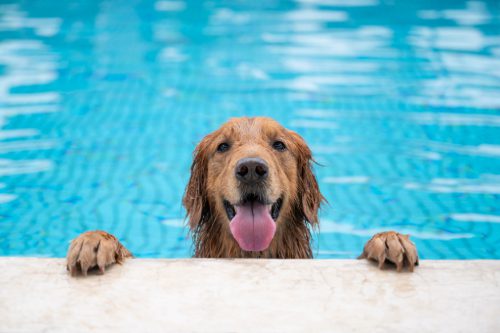
Swimming offers dogs a low-impact way to move their bodies while avoiding the repetitive stress that comes with some land-based activities. In a dog pool, dogs can engage multiple muscle groups as they paddle, balance, and adjust to water resistance. This form of movement often appeals to pets that enjoy novelty and sensory stimulation, especially during warmer months when outdoor play can feel limited.
Water activity also provides mental enrichment. New sights, sounds, and sensations encourage curiosity and focus, which helps break up routine and reduce boredom. Many dogs show increased confidence as they learn to navigate water on their own terms. For social dogs, supervised pool time can become a shared activity that strengthens the bond between pet and owner through play and positive reinforcement.
Swimming can also support dogs at different life stages. Young, energetic dogs often enjoy the outlet for excess energy, while older pets may appreciate gentler movement in water. Every dog responds differently, which is why observation and pacing matter. A dog pool should feel like an option for engagement, not a requirement for exercise.
Is a Dog Pool Right for Your Pet?
Not every dog takes to water immediately, and that is completely normal. Personality, past experiences, and physical build all influence how a dog responds to a pool. Some dogs approach water with enthusiasm, while others remain cautious or uninterested. A dog pool works best when it matches your pet’s comfort level and preferences.
Breed traits can play a role, but they do not tell the whole story. Dogs bred for water work may show natural confidence, while others need time and encouragement. Body shape, coat type, and energy level also affect how a dog moves in water and how quickly they tire. These factors help determine whether shallow wading or brief swims make sense.
Environment matters as well. A quiet backyard setup often feels less intimidating than a busy public space with unfamiliar dogs and people. Owners should consider their ability to supervise closely and maintain a calm atmosphere. When water play aligns with a dog’s temperament and setting, a dog pool becomes an enjoyable addition rather than a source of stress.
How to Introduce Your Dog to a Pool Safely
Introducing a dog pool works best when the experience stays gradual and pressure-free. Start by letting your dog explore the empty pool so it becomes a familiar object. This step helps reduce hesitation once water is added. Calm praise and a relaxed pace encourage curiosity without forcing interaction.
Creating a Positive First Experience
Once your dog seems comfortable, add a small amount of water. Keep the level low enough for easy entry and exit. Stand nearby and allow your dog to step in at their own pace. Some dogs prefer to splash or wade before attempting any swimming motion. Others may simply enjoy standing in cool water, which still provides sensory relief.
Short sessions help build confidence. Watch for signs of fatigue or stress, such as heavy panting, shaking, or avoidance. End each session on a positive note so the dog associates water time with comfort and success. Over time, many dogs become more relaxed and engaged as familiarity grows.
Essential Pool Safety Rules for Dogs
Safety remains the foundation of any successful dog pool experience. Supervision is essential, even for dogs that appear confident in water. Accidents can happen quickly, especially if a dog slips, becomes tired, or panics. Staying close allows owners to respond immediately.
Clear entry and exit points help dogs feel secure. Ramps, steps, or gently sloped sides prevent scrambling and reduce the risk of injury. The pool area should stay free from clutter or slick surfaces that could cause falls. After water play, drying the coat and checking ears and paws supports overall comfort.
A few safety reminders to keep in mind include:
- Always supervise water play from start to finish
- Keep sessions short and allow rest breaks
- Provide easy entry and exit options
- Watch for signs of stress or fatigue
Choosing the Right Type of Dog Pool
Dog pools come in many shapes and materials, and the right choice depends on your dog’s size, strength, and play style. Inflatable pools work well for gentle use and easy storage, while sturdier plastic or reinforced options suit dogs that enjoy more active play. Depth matters too. Shallow pools allow wading and splashing, while deeper options support swimming for confident dogs.
Placement also affects usability. A flat, shaded area helps keep water comfortable and prevents tipping. Easy access to fresh water for refilling supports cleanliness and convenience. Owners should choose a size that allows movement without crowding, giving dogs room to turn and exit comfortably.
Durability matters for long-term use. Dogs that paw or dig may damage lightweight materials, while calmer pets adapt well to softer designs. Matching the pool to your dog’s habits helps extend its lifespan and keeps water play enjoyable throughout the season.
When to Talk to a Vet About Water Exercise
Water activity can fit into many dogs’ routines, but certain situations call for a conversation with a veterinary professional. Changes in mobility, stamina, or behavior during or after swimming warrant attention. A veterinarian can help determine whether adjustments or alternatives better suit your dog’s needs.
This is especially important for dogs with ongoing health concerns or those recovering from previous issues. Guidance ensures that water play supports comfort rather than creating strain. If you notice hesitation, discomfort, or unusual fatigue, schedule a visit to discuss appropriate activity levels.
For pet owners in Lewisville and surrounding communities, the team at Shallowford Animal Hospital can answer questions about safe activity options and overall wellness. Call (336) 945-4412 or request an appointment online to discuss whether water exercise fits your dog’s lifestyle.
Making a Splash the Safe Way: Enjoying Dog Pool Season
A dog pool can turn hot days into opportunities for safe play, enrichment, and shared enjoyment when introduced thoughtfully and supervised closely. By understanding your dog’s preferences, choosing the right setup, and keeping safety front and center, water time becomes a positive seasonal routine. With a little preparation, pool days can feel refreshing, engaging, and rewarding for both dogs and their people.
Share This Post
Recent Posts

About Shallowford Animal Hospital
Shallowford Animal Hospital and The Pet Spa at Shallowford are dedicated to the exceptional, compassionate care your pet deserves. Pets hold a very special place in our families, and we treat yours like our own.