

6 Potential Signs of Dental Disease in Pets
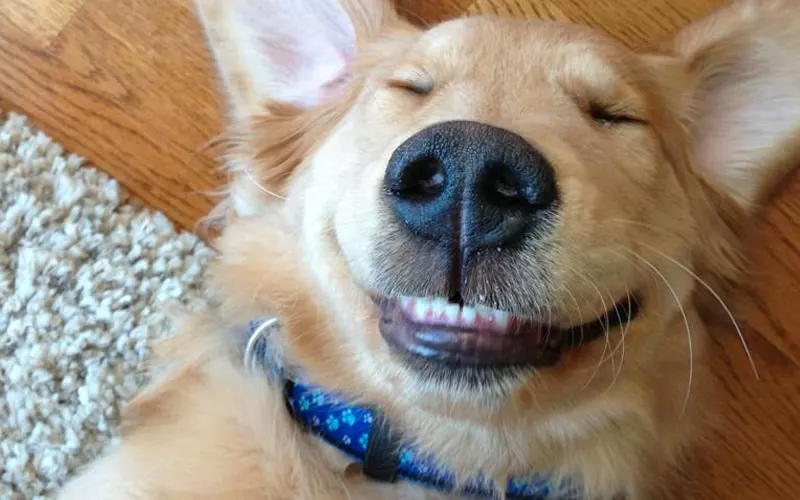
Keep your dog or cat smiling with a clean and healthy mouth!
If you have children, you know how important it is to ensure they’re brushing and flossing properly and visit the dentist for regular cleanings and checkups.
Your dog or cat’s dental health is an important part of their overall health as well. Although cavities are less common in pets than in people, they can have many of the same dental problems as we do, including broken teeth, periodontal disease, abscesses and infected teeth, cysts and more.
Periodontal disease in the most common dental condition in dogs and cats. According to the American Veterinary Medical Association, by the time your pet is three years old, he or she will likely have some evidence of periodontal disease, which will only worsen over time if preventive steps are not taken.
Periodontal disease doesn’t just affect your pet’s mouth — it can eventually contribute to other problems with the kidneys, liver and heart.
Early detection and treatment are key. Here are a few general signs and symptoms that you can check for which could indicate some potential dental issues.
- Bad Breath: We don’t expect our pets to have minty-fresh breath by any means! But abnormally bad breath in your dog or cat could point to bacteria from decaying food that causes gingivitis or an infection. Any type of sour, acrid odor could be an indicator of an issue that needs to be examined by us further.
- Inflamed Gums: Red, inflamed, and sometimes bleeding, gums is a result of bacteria that lingers in your pet’s mouth from food left in his or her teeth. With gingivitis, bacteria usually gathers under the gum line around the roots and can ultimately lead to tooth loss, bone degeneration and other issues.
- Plaque and Tartar: Like us, pets build up plaque from food particles that form a sticky film on their teeth and hardens into a thick layer of calculus, or tartar. Tartar is visible as a yellow or brown material on the surface of the tooth, usually near the gum line. Untreated, it can eventually lead to gingivitis and ultimately, loose teeth and other problems.
- Swollen Jaw: When infection gathers around the roots of a tooth, sometimes it can create an abscess and the jaw will become noticeably swollen. There may be a visible lump either on the lower jaw close to the neck, or on the upper jaw closer to the eye. If an abscess becomes large enough to burst, you may see some drainage on your pet’s fur from the lump.
- Trouble Chewing: If you notice your pet is having trouble chewing, or is gulping their food without chewing, that could indicate a dental issue. Infected teeth and gums can be painful for your pet while chewing food, and loose teeth can cause your dog or cat to stop using his or her teeth to break up food.
- Nasal Discharge and Sneezing: While it’s not uncommon for pets to occasionally sneeze or have a runny nose, dental issues such as infected gums and abscesses can create an infection in the sinus cavities, causing their runny nose and sneezing.
If your pet shows any of the symptoms above, schedule an appointment for a dental exam and cleaning so we can evaluate your pet and treat any dental issues. Some pets need professional dental cleanings more often depending on breed, age, and home dental care. Because many dental issues occur below the gumline, where you can’t visibly see, a thorough cleaning and evaluation is needed.
The American Veterinary Medical Association recommends that your pet’s teeth be checked at least once a year to maintain a healthy mouth and spot early signs of a problem. These annual exams often uncover dental disease early before visible symptoms and signs of pain appear. If your pet has not had a recent exam, schedule a visit.
Keeping your pet’s mouth clean and healthy can have long term benefits to his or her overall health.
FAQ
How often do dogs need teeth cleanings?
We recommend annual dental cleaning for pets. Smaller breed dogs and cats may benefit from a dental cleaning twice yearly. Some breeds are more susceptible to dental disease.
Does bad breath mean dental disease?
Yes, in most cases. Persistent bad breath is the most common early warning sign of periodontal disease. It is caused by bacteria building up as plaque and tartar, which can lead to painful infections and tooth loss if left untreated. However, bad breath can also be a sign of other underlying medical issues.
Is anesthesia required for pet dental cleaning?
Anesthesia is the medical standard for safe, thorough dental care. It ensures your pet remains free from pain, fear, and anxiety while allowing the doctor to perform a comprehensive oral examination. During the procedure, the teeth are safely probed, scaled, and polished without the risk of your pet moving or inhaling water and debris.
Share This Post
Recent Posts


About Shallowford Animal Hospital
Shallowford Animal Hospital and The Pet Spa at Shallowford are dedicated to the exceptional, compassionate care your pet deserves. Pets hold a very special place in our families, and we treat yours like our own.