
Cat and Dog Spay & Neuter Aftercare: Recovery Tips After Surgery in Lewisville, Clemmons, Winston-Salem & Nearby Communities
Having your cat or dog spayed or neutered is an important step in protecting long-term health and helping prevent unwanted litters. Spay and neuter procedures are among the most common veterinary surgeries, but they are still surgical procedures that require proper recovery care at home.
Many pet owners are surprised to learn that the days after surgery are just as important as the procedure itself. Rest, incision protection, medication compliance, and activity restriction all help support smooth healing.
At Shallowford Animal Hospital, we guide families throughout Lewisville, Clemmons, Winston-Salem, Pfafftown, Yadkinville, and surrounding areas through every step of recovery so pets can heal safely and comfortably.
What Are Spay and Neuter Surgeries?
A spay is a surgical procedure that removes a female pet's reproductive organs, while a neuter removes a male pet's testicles. Both prevent reproduction and may also provide important health benefits, including reducing the risk of certain reproductive diseases and infections.
Both procedures are commonly recommended for cats and dogs as part of preventive veterinary care. Because a spay involves an abdominal incision and a neuter involves an incision as well, careful aftercare is essential for both.
What to Expect the First 24 Hours After Surgery
Most pets are sleepy or quieter than normal after anesthesia. Some may be clingy, restless, or want extra sleep.
Common temporary effects may include:
- Grogginess
- Mild unsteadiness
- Lower appetite the first evening
- Mild whining or confusion
- Wanting to rest more than usual
- Temporary nausea
These signs usually improve by the next day. Provide a warm, quiet place to recover away from stairs, children, and other pets.
Eating and Drinking After Surgery
Your veterinarian will provide feeding instructions, but many pets can begin with:
- Small amounts of water once fully alert
- A small meal later that evening or the next morning
- Gradual return to normal feeding
Some pets are not interested in food the first night, which can be normal after anesthesia. Please call if your pet refuses food beyond 24 hours or vomits repeatedly.
Strict Activity Restriction Is Very Important
Even when your pet feels better, the body is still healing internally and externally. Running, jumping, playing, and stairs can cause:
- Swelling
- Pain
- Incision opening
- Bleeding
- Internal healing disruption
- Delayed recovery
For most pets, we recommend:
- Leash walks only for bathroom breaks
- No rough play
- No running in the yard
- No jumping on furniture
- No wrestling with other pets
- Calm indoor rest
Most spay and neuter recoveries require 10 to 14 days of restricted activity unless otherwise directed.
Protecting the Incision
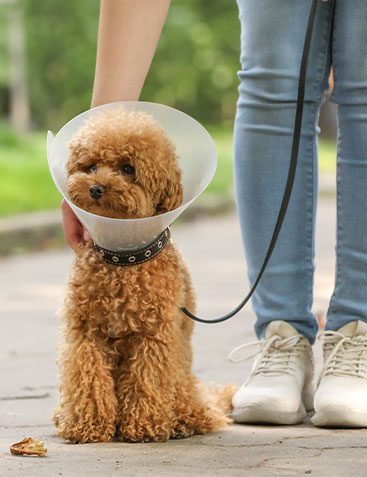
Check the incision daily. It should remain clean and dry. Mild redness or swelling can occur early in healing, but contact us if symptoms worsen.
Do not allow:
- Licking
- Chewing
- Scratching
- Bathing
- Swimming
- Dirt exposure
Licking is one of the most common reasons incisions become irritated or infected.
Cones, E-Collars & Recovery Suits
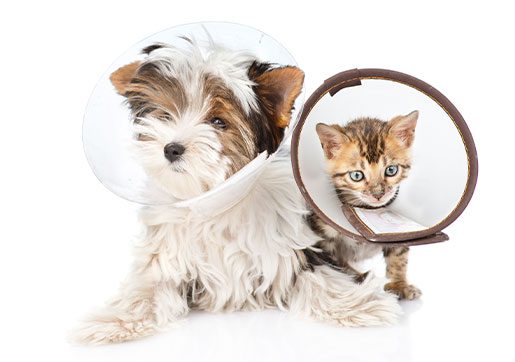
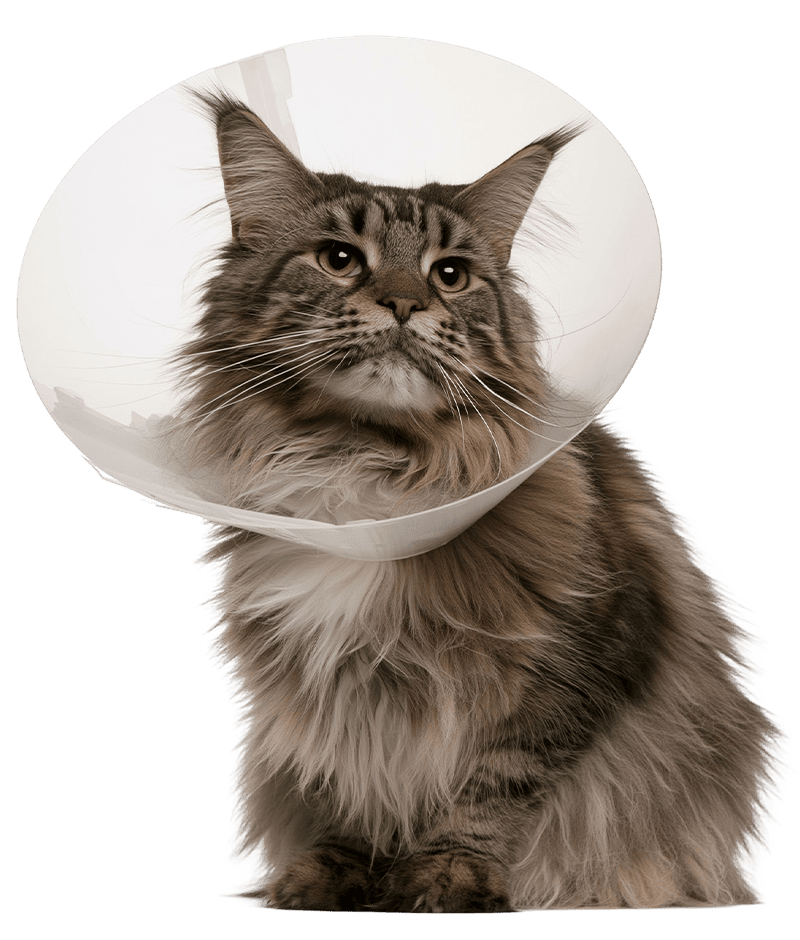
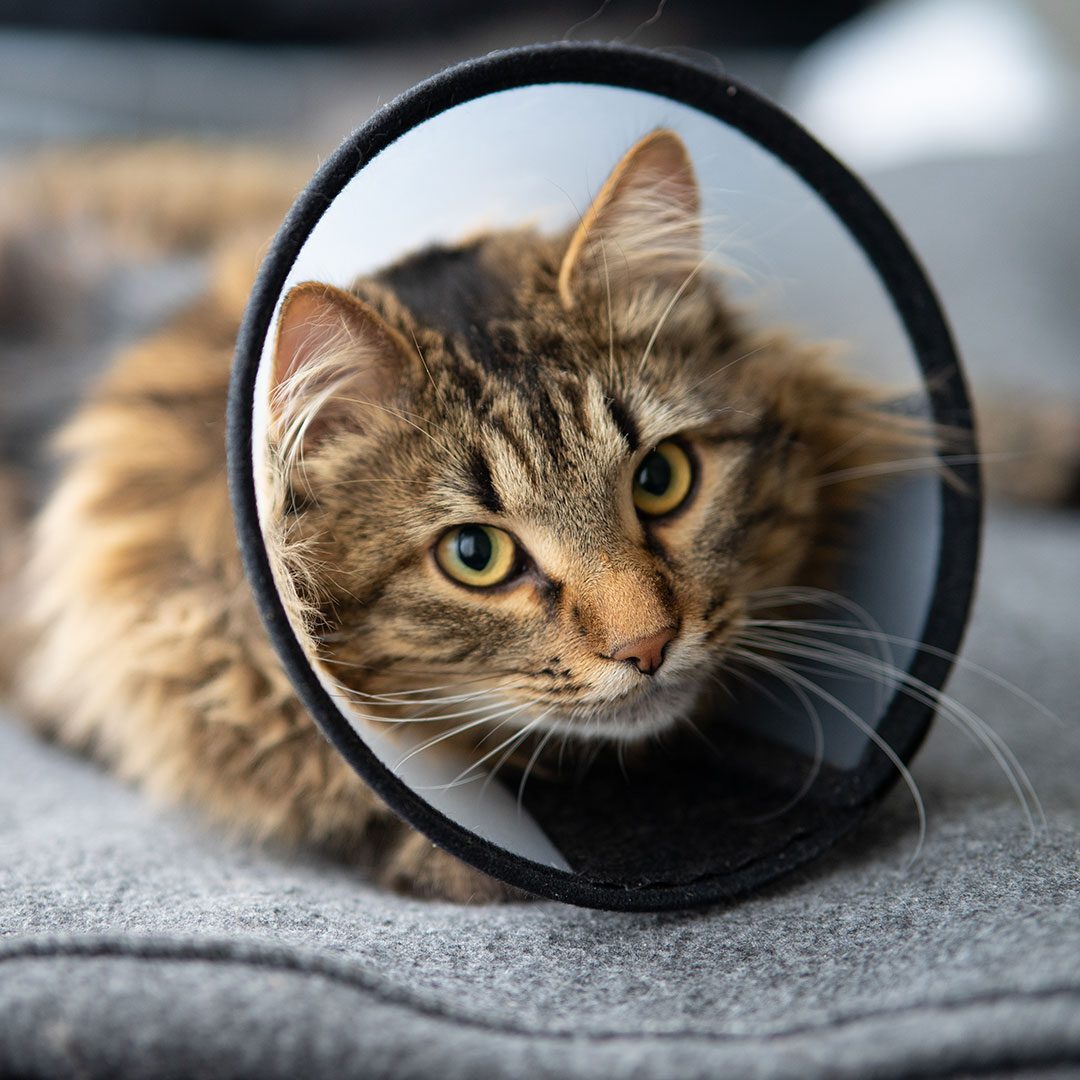
Your pet may need a cone or recovery collar during healing. While pets sometimes dislike them at first, they are often the best way to prevent licking and protect the incision.
Please keep protective devices on as directed, especially overnight or when your pet is unsupervised.
Medications After Surgery
Your pet may go home with:
- Pain medication
- Anti-inflammatory medication
- Antibiotics when needed
- Calming medication if strict rest is difficult
Give all medications exactly as directed. Never give human medications unless specifically approved by your veterinarian.
What Is Normal During Recovery?
Many pets recover smoothly with mild temporary symptoms such as:
- Sleepiness the first day
- Mild soreness
- Less appetite initially
- A small amount of bruising
- Wanting extra rest
- Slower movement for a few days
Most pets improve steadily each day.
Warning Signs to Watch For
Please contact Shallowford Animal Hospital promptly if you notice:
- Incision opening
- Redness increasing daily
- Swelling or discharge
- Bleeding
- Bad odor from the incision
- Refusal to eat after 24 hours
- Repeated vomiting or diarrhea
- Severe lethargy
- Trouble breathing
- Crying in pain
- Pale gums
- Collapse
Prompt treatment can prevent complications.
How Long Does Recovery Take?
Many pets feel much better within a few days, but complete healing takes longer.
Typical recovery milestones:
- First 24 hours: sleepy, resting
- Days 2 to 5: brighter attitude, still restricted
- Days 7 to 10: incision improving
- Days 10 to 14: many pets ready for recheck or cleared activity, depending on healing
Every pet heals differently, so follow your veterinarian's instructions.
Benefits of Spaying and Neutering Your Pet
In addition to preventing unwanted litters, spaying and neutering may help reduce or prevent:
- Uterine infections and certain reproductive emergencies in females
- Heat cycles in females
- Certain reproductive cancers and conditions in males
- Roaming and marking behaviors in some pets
- Some hormone-related concerns
Your veterinarian can discuss the best timing for your individual pet.
Why Families Choose Shallowford Animal Hospital
Families in Lewisville and nearby communities trust Shallowford Animal Hospital because we provide:
- Compassionate surgical care
- Safe anesthesia protocols
- Clear recovery guidance
- Personalized treatment recommendations
- Friendly local support
- Ongoing follow-up if questions arise
We understand surgery can feel stressful, and we are here to help every step of the way.
Schedule a Spay or Neuter Consultation or Follow-Up in Lewisville, NC
If your pet recently had spay or neuter surgery or you are planning to schedule the procedure, our team is here to help. Contact Shallowford Animal Hospital today at (336) 945-4412 for recovery support, a post-operative recheck, or to discuss surgery for your cat or dog.
Proudly serving pets in Lewisville, Clemmons, Winston-Salem, Pfafftown, Yadkinville, and surrounding communities.
Need a trusted veterinarian in Lewisville? Call today or request an appointment online.
FAQs — Spay & Neuter Aftercare