
Cat and Dog Post-Surgery Care Recovery Tips After Pet Surgery in Lewisville, Clemmons, Winston-Salem & Nearby Communities
Bringing your pet home after surgery can feel overwhelming, especially if it is your first time caring for a recovering cat or dog. Whether your pet had a routine procedure or a more advanced surgery, proper aftercare plays an important role in healing, comfort, and preventing complications.
At Shallowford Animal Hospital, we want pet owners to feel confident caring for their pets after surgery. Our veterinary team provides clear discharge instructions, pain management guidance, and follow-up support for families in Lewisville, Clemmons, Winston-Salem, Pfafftown, Yadkinville, and surrounding communities so your pet can recover as smoothly as possible.
What to Expect the First 24 Hours After Surgery
Many pets are sleepy, quieter than normal, or slightly unsteady after anesthesia. This is common and usually improves by the following day.
You may notice:
- Grogginess
- Increased sleep
- Mild whining or restlessness
- Temporary reduced appetite
- Mild nausea
- Slower movement
- Desire for a quiet space
Provide a calm, warm recovery area away from stairs, children, and other pets during the first night home.
If your pet seems extremely disoriented, cannot stand, or worsens instead of improving, please contact us.
Eating and Drinking After Surgery
Your veterinarian will provide feeding instructions based on the procedure performed.
In many cases:
- Offer small amounts of water once fully alert
- Offer a light meal later that evening or the next morning
- Return to normal feeding gradually if instructed
- Avoid treats unless approved
Some pets have a reduced appetite for the first evening, but appetite should begin improving soon after.
Please call if your pet refuses food beyond 24 hours or vomits repeatedly.
Restricting Activity Is Critical
One of the most important parts of recovery is limiting activity while tissues heal.
Too much movement can lead to:
- Swelling
- Bleeding
- Incision opening
- Pain
- Delayed healing
- Internal complications depending on surgery type
For many pets, we recommend:
- Leash walks only for bathroom breaks
- No running or jumping
- No rough play
- No wrestling with other pets
- No furniture jumping
- No stairs when possible
Activity restrictions commonly last 10–14 days, but may be longer depending on the procedure.
Incision Care After Surgery
Your pet’s incision should remain clean and dry during recovery.
Check the incision once or twice daily for:
- Mild redness at edges
- Mild swelling early in recovery
- Bruising in some cases
- Normal skin closure
Do NOT allow:
- Licking
- Chewing
- Scratching
- Bathing
- Swimming
- Dirt contamination
Even brief licking can cause irritation or open the incision.
E-Collars and Recovery Cones
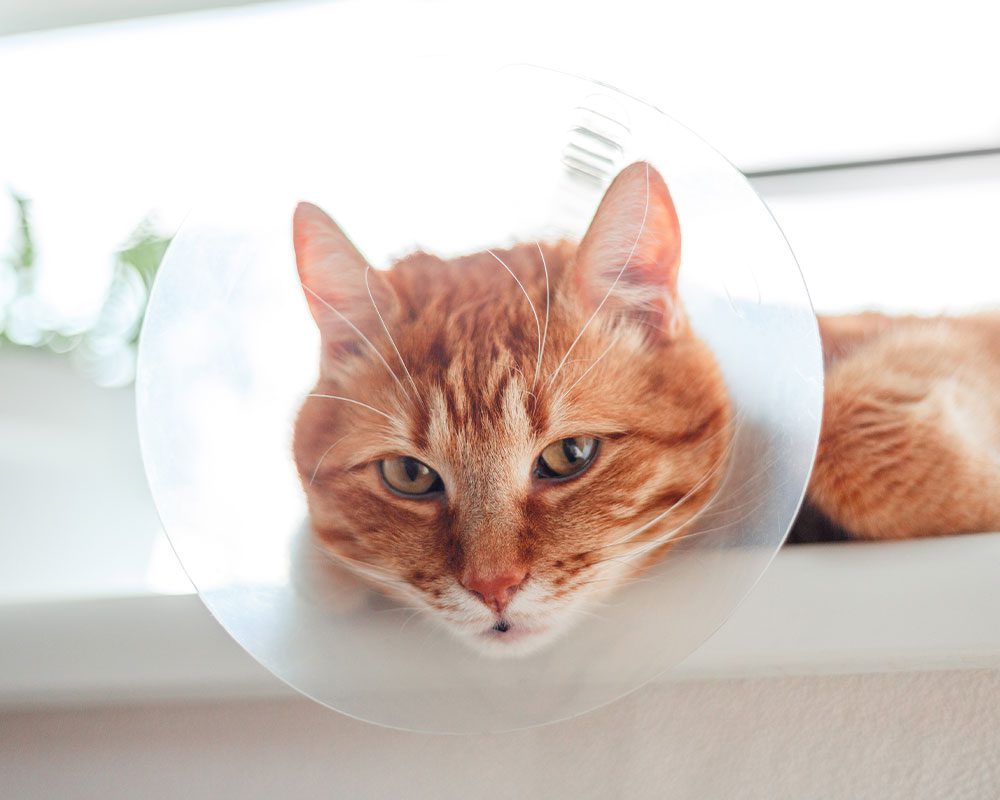
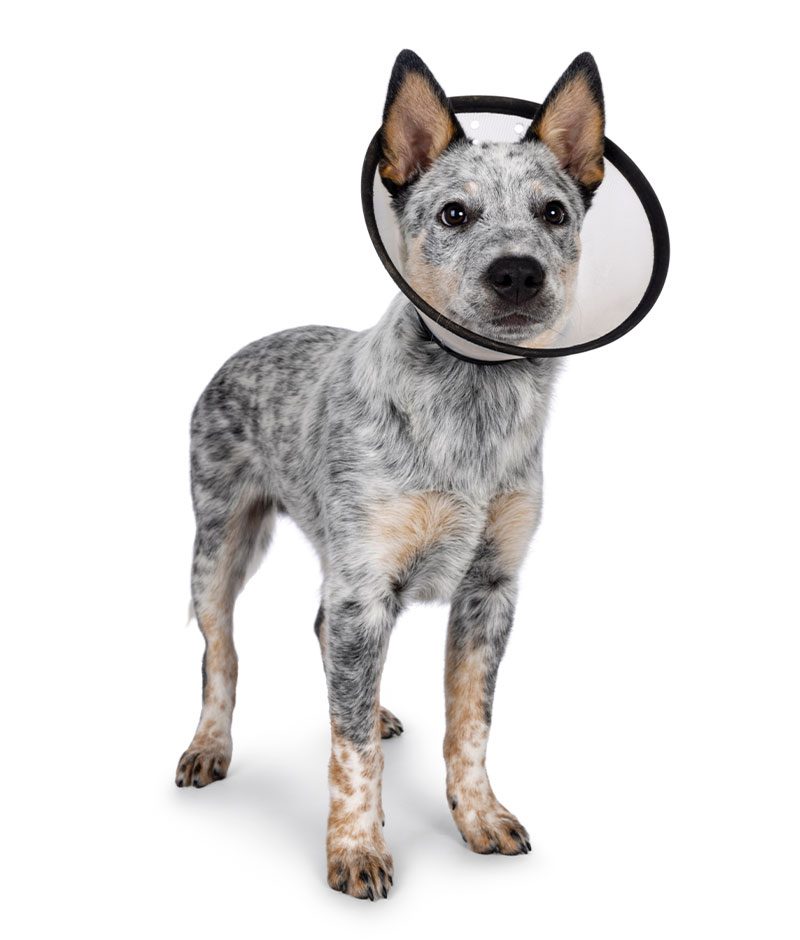
Many pets need an e-collar (cone) or recovery collar after surgery. While pets may not love wearing them, they are often the best way to prevent self-trauma.
Please keep the cone on as instructed, especially when you are not directly supervising your pet.
Most incision complications we see happen because pets lick when owners think “just a few minutes” will be okay.
Pain Medication and Prescriptions
Your pet may go home with medications such as:
- Pain relief medication
- Anti-inflammatory medication
- Antibiotics when appropriate
- Sedation or calming medication for strict rest
Give all medications exactly as prescribed.
Never give human medications such as ibuprofen, naproxen, or acetaminophen unless specifically directed by your veterinarian.
What Is Normal During Recovery?
Depending on the surgery, some mild temporary changes can be normal:
- Sleepiness the first day
- Mild soreness
- Reduced appetite initially
- Small amount of bruising
- Slower movement
- Needing extra rest
These signs should gradually improve each day.
Warning Signs That Need Veterinary Attention
Please contact Shallowford Animal Hospital right away if you notice:
- Incision opening
- Bleeding or discharge
- Significant redness or swelling
- Bad odor from incision
- Repeated vomiting or diarrhea
- Refusal to eat after 24 hours
- Extreme lethargy
- Trouble breathing
- Collapse
- Severe pain
- Pale gums
- Persistent crying
- Pet removed sutures or staples
Prompt attention can prevent more serious complications.
Recovery Timelines Can Vary
Healing time depends on:
- Your pet’s age
- Overall health
- Surgery type
- Size of incision
- Whether orthopedic repair was performed
- How well activity restriction is followed
Routine soft tissue procedures may heal quickly, while orthopedic surgeries often require a longer recovery plan.
Always follow your personalized discharge instructions.
Helping Your Pet Recover Comfortably
Simple ways to help healing include:
- Provide soft bedding
- Keep recovery area quiet
- Use leash control
- Prevent jumping
- Give medications on schedule
- Encourage calm rest
- Keep follow-up appointments
Small details make a big difference.
Why Families Trust Shallowford Animal Hospital for Surgical Care
Families in Lewisville and nearby towns trust Shallowford Animal Hospital because we provide:
- Experienced veterinary surgical care
- Compassionate pain management
- Clear recovery instructions
- Personalized treatment plans
- Ongoing follow-up support
- Friendly local care you can trust
We know surgery can be stressful, and we are here for both you and your pet through recovery.
Need Help After Pet Surgery in Lewisville, NC?
If your cat or dog recently had surgery and you have questions about healing, medications, or activity restrictions, our team is here to help.
Contact Shallowford Animal Hospital today for post-operative support or to schedule a recheck appointment.
Proudly serving pets in Lewisville, Clemmons, Winston-Salem, Pfafftown, Yadkinville, and surrounding communities.